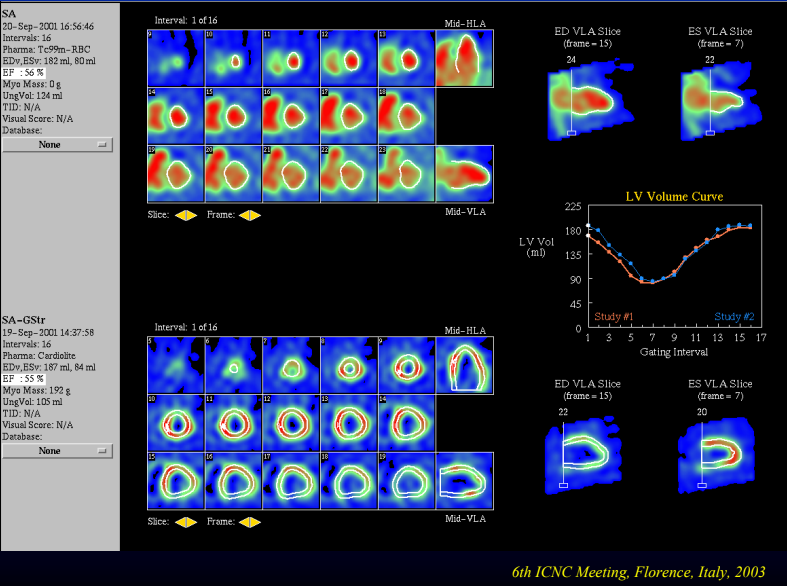
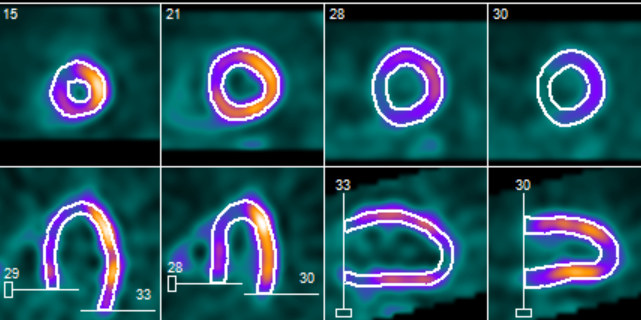
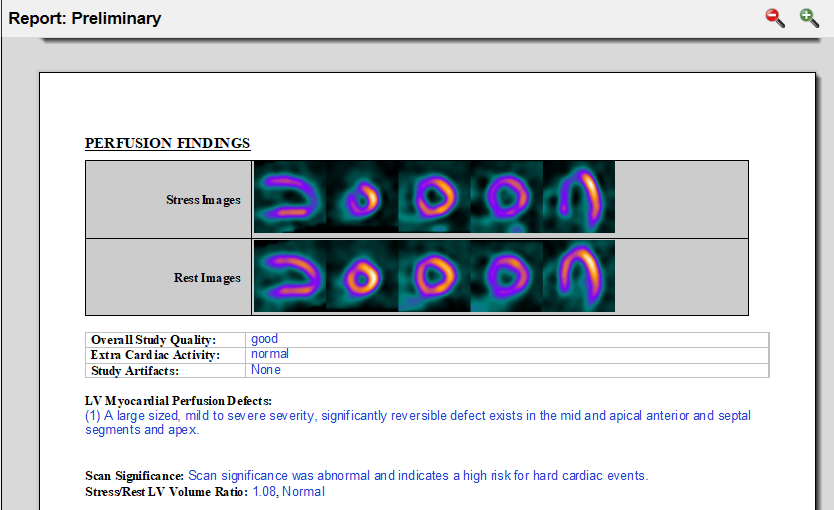
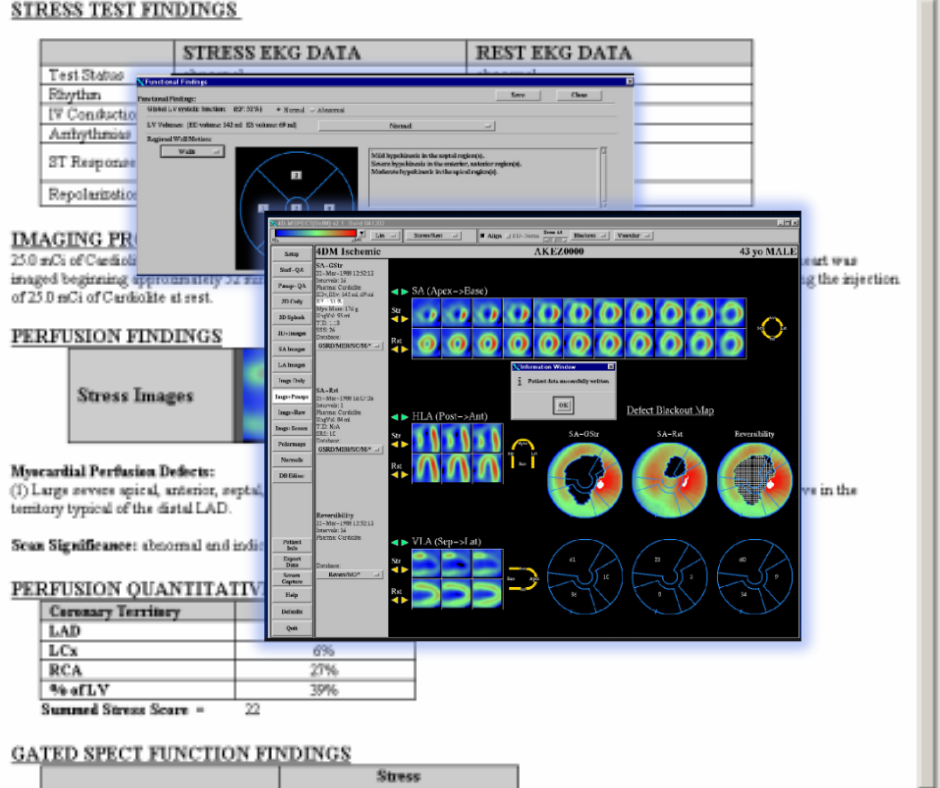
Research is at the heart of 4DM.

For more than 30 years, INVIA has innovated in nuclear cardiology through clinical & computer science research. 

4DM is built upon and enhanced by a substantial body of published, peer-reviewed research, which is continuously furthered by INVIA’s dedicated team.

Driving Cardiac Innovation with Scientific Collaboration

INVIA partners with leading academic, clinical & industry partners across the United States & around the world.  Together, we translate cutting-edge research into practical, validated tools that enhance diagnostic accuracy and streamline workflow for the betterment of patient care.

SOME RECENT RESEARCH

A Foundation Transformer Model with Self-Supervised Learning for ECG-Based Assessment of Cardiac and Coronary Function

Summary

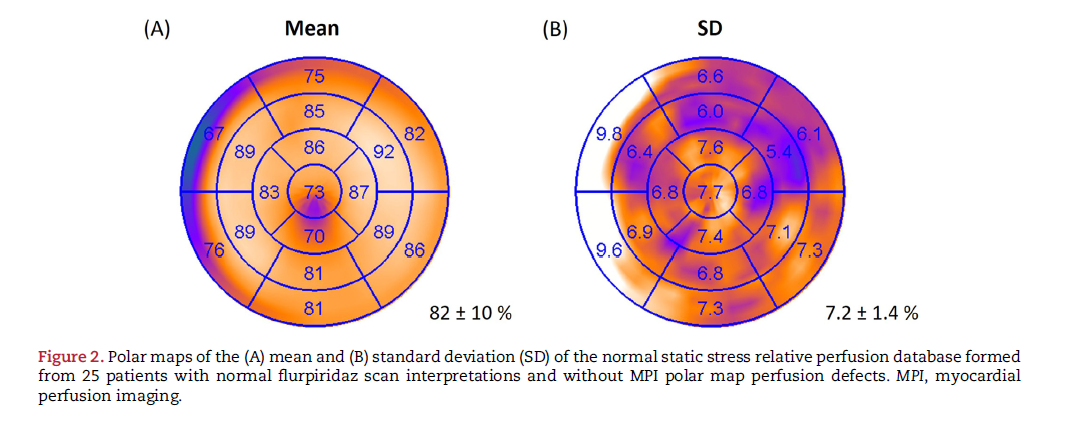
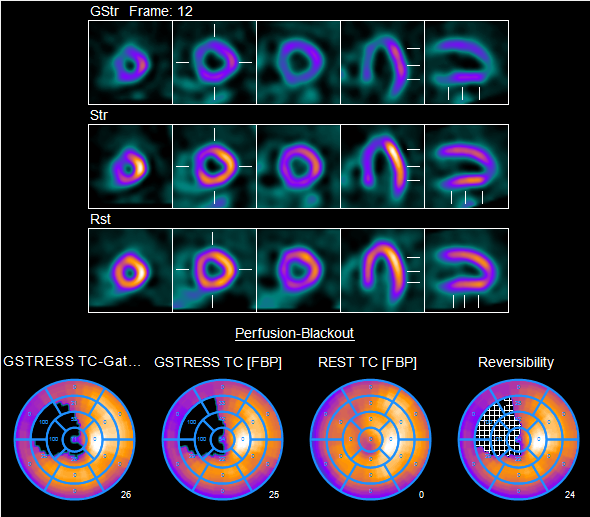
Diagnostic performance of ¹⁸F-flurpiridaz PET myocardial perfusion imaging with total perfusion deficit quantification

Summary

Self-supervised deep representation learning of a foundation transformer model enabling comprehensive ECG-based assessment of cardiovascular health with limited labeled data

Summary

Explore INVIA's Research

INVIA’s work impacts multiple areas of nuclear cardiovascular imaging. Use the search tool below to find research of interest.

Suggested Keywords:

Cardiac Health

Perfusion, Function, Myocardial Flow Reserve, Myocardial Blood Flow, Integrated Myocardial Flow Reserve, Viability, Gated Blood Pool

Modalities

SPECT, PET, Hybrid CT, Reporting, Reconstruction, Motion Correction

Tracers

Flurpiridaz, Ammonia, Tc-99m, FDG, Rubidium-82

Disease States

Amyloidosis, Sarcoidosis, Coronary Artery Disease, Ischemic Cardiomyopathy

Partners in Research

Digirad, GE Healthcare, Houston Methodist, Manchester University, Massachusetts General Hospital, Northwestern University, Ottawa Heart Institute, Siemens Health, Thomas Jefferson University, UCLA, University of Colorado, University of Lausanne, University of Michigan, University of Pittsburgh

Search

Search by keyword or by selecting your specific area of interest.

by Topic
by Research Partners
by Tracers

A Foundation Transformer Model with Self-Supervised Learning for ECG-Based Assessment of Cardiac and Coronary Function

Summary

Diagnostic performance of ¹⁸F-flurpiridaz PET myocardial perfusion imaging with total perfusion deficit quantification

Summary

Self-supervised deep representation learning of a foundation transformer model enabling comprehensive ECG-based assessment of cardiovascular health with limited labeled data

Summary

Automated deep learning segmentation of cardiac inflammatory FDG PET

Summary

How to Differentiate Obstructive from Non‑Obstructive CAD with PET: Developments in High‑Resolution Regional Quantification of MBF and MFR

Summary

PYP quantification of amyloid burden in transthyretin amyloid cardiomyopathy and correlation with echocardiogram

Summary

Identification of impaired microvascular/vasomotor function with deep learning analysis of stress‑rest ECG

Summary

iMFR assessment: optimized PET blood flow quantification for diagnosis of coronary artery disease

Summary

iMFR assessment: diffuse atherosclerosis and microvascular dysfunction are more strongly associated with mortality than focally impaired perfusion

Summary

Improved diagnostic accuracy for coronary artery disease detection with quantitative 3D 82Rb PET myocardial perfusion imaging

Summary

Added value of myocardial blood flow using 18F-flurpiridaz PET to diagnose coronary artery disease: The flurpiridaz 301 trial

Summary

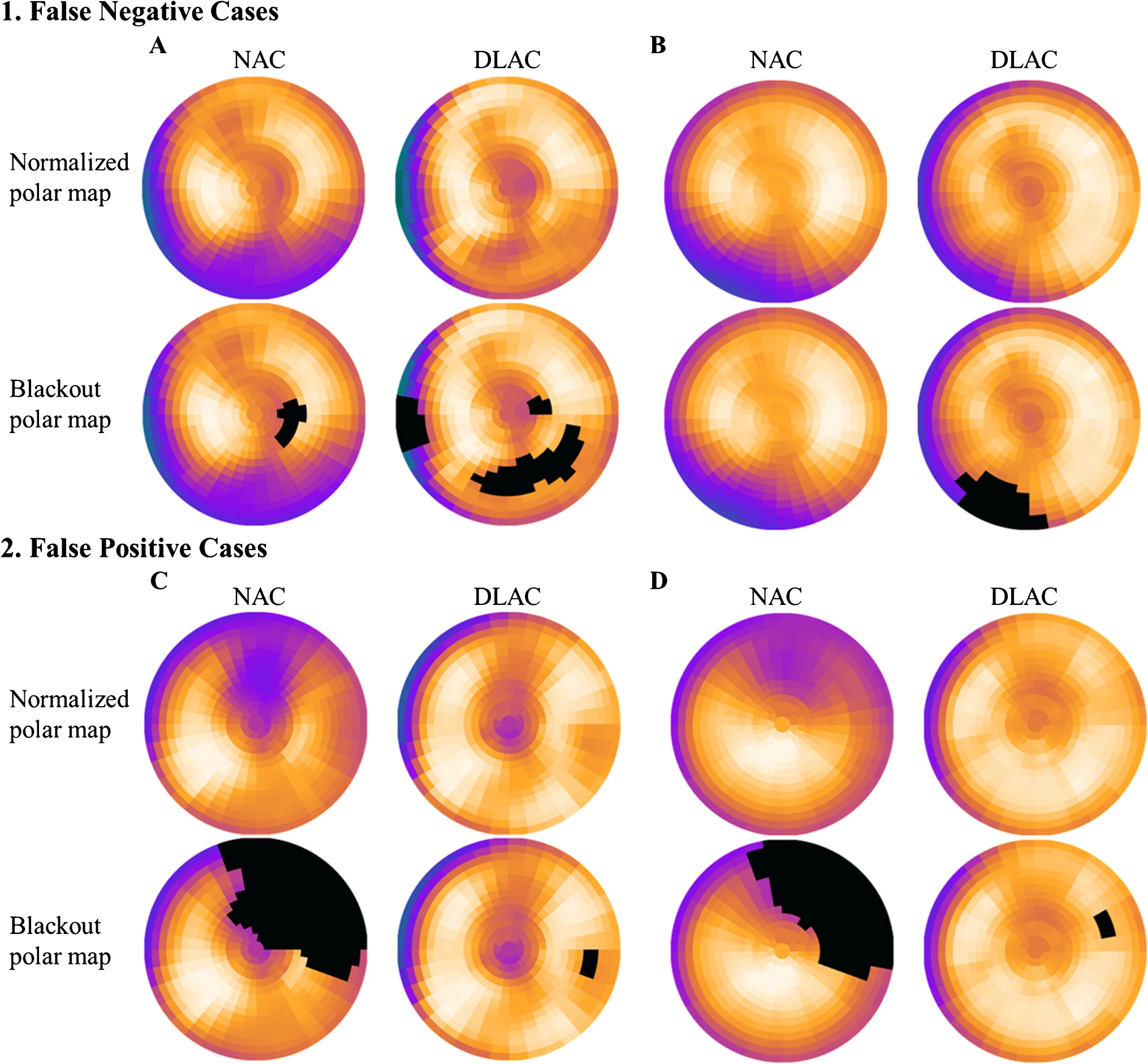
Multi-Center, Multi-Vendor Validation of Deep Learning-Based Attenuation Correction in SPECT MPI: Data from the International Flurpiridaz-301 Trial

Summary

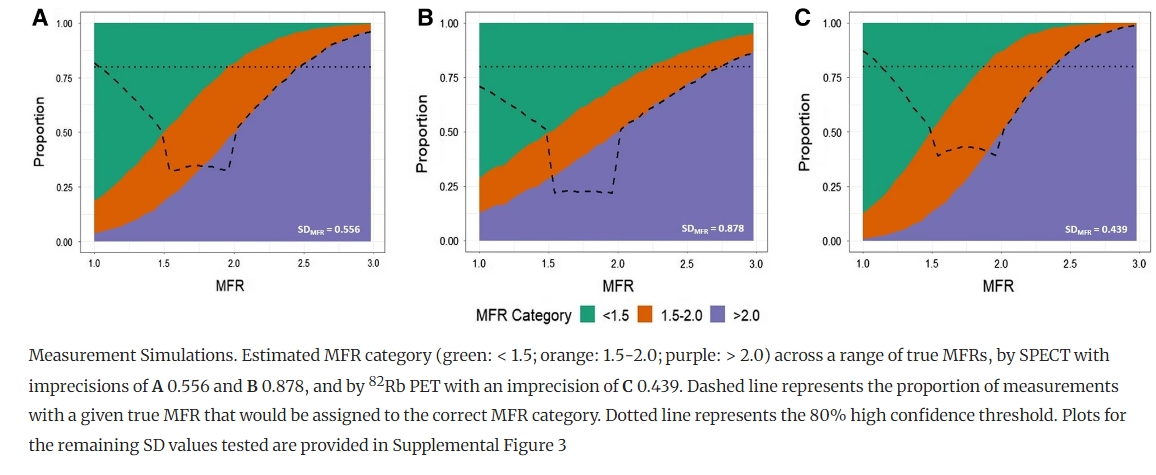
Myocardial flow reserve estimation with contemporary CZT-SPECT and Tc-99m tracers lacks precision for routine clinical application

Summary

Virtual attenuation correction: improving stress myocardial perfusion SPECT imaging using deep learning

Summary

Impact of residual subtraction on myocardial blood flow and reserve estimates from rapid dynamic PET protocols

Summary

Effect of iterations and time of flight on normal distributions of 82Rb PET relative perfusion and myocardial blood flow

Summary

Effects of two patient-specific dosing protocols on measurement of myocardial blood flow with 3D 82Rb cardiac PET

Summary

Optimization of 4DM SPECT MFR for the GE DNM 530c Cardiac Gamma Camera

Summary

Patient‑specific SPECT imaging protocols to standardize image noise

Summary

Blood pool and tissue phase patient motion effects on 82rubidium PET myocardial blood flow quantification

Summary

Reducing motion-correction-induced variability in 82rubidium myocardial blood-flow quantification

Summary

The utility of 82Rb PET for myocardial viability assessment: Comparison with perfusion-metabolism 82Rb-18F-FDG PET

Summary

Automated dynamic motion correction using normalized gradient fields for 82rubidium PET myocardial blood flow quantification

Summary

Optimization of temporal sampling for rubidium PET myocardial blood flow quantification

Summary

Limitations of 82Rb weight-adjusted dosing accuracy at low doses

Summary

Variance estimation for myocardial blood flow by dynamic PET

Summary

Precision and Accuracy of Clinical Quantification of Myocardial Blood Flow by Dynamic PET: A Technical Perspective

Summary

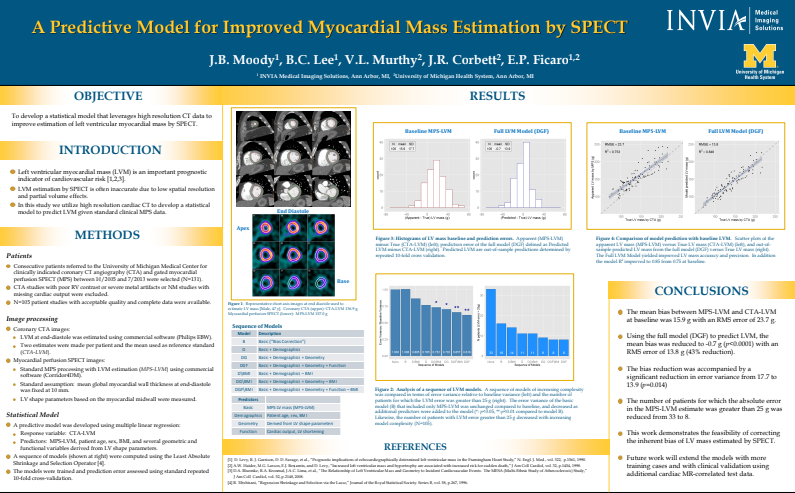
A predictive model for improved myocardial mass estimation by SPECT

Summary

Relationships Between Quantitative FDG PET Parameters Treatment and Disease Activity

Summary

Regadenoson Stress Does not Increase the Amplitude of Respiratory Motion

Summary

Quantitative F-18 FDG Uptake in Patients Undergoing Cardiac Viability and Sarcoid Imaging

Summary

Radiation dose reduction through re-imaging patients with suspected artifact related abnormalities studied with a stress first SPECT/CT myocardial perfusion protocol

Summary

Clinical comparison of four minute IQ-SPECT imaging with conventional parallel hole collimated SPECT/CT

Summary

Resolution and Noise Properties of 123I-MIBG SPECT Images with Collimator-detector Response Modeling

Summary

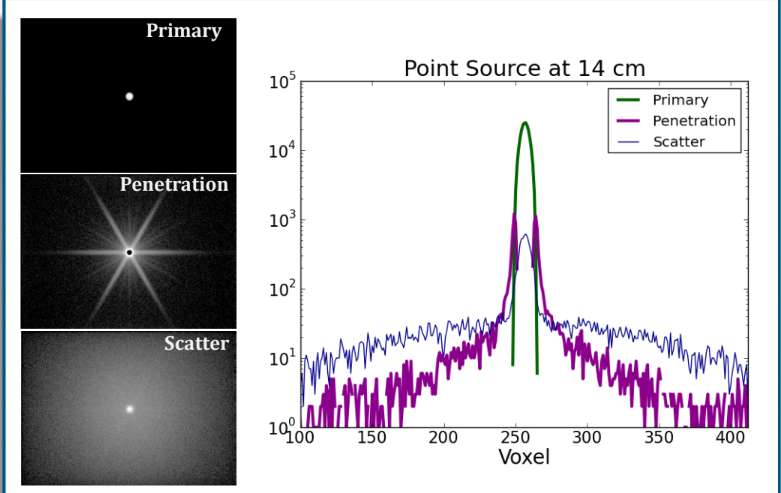
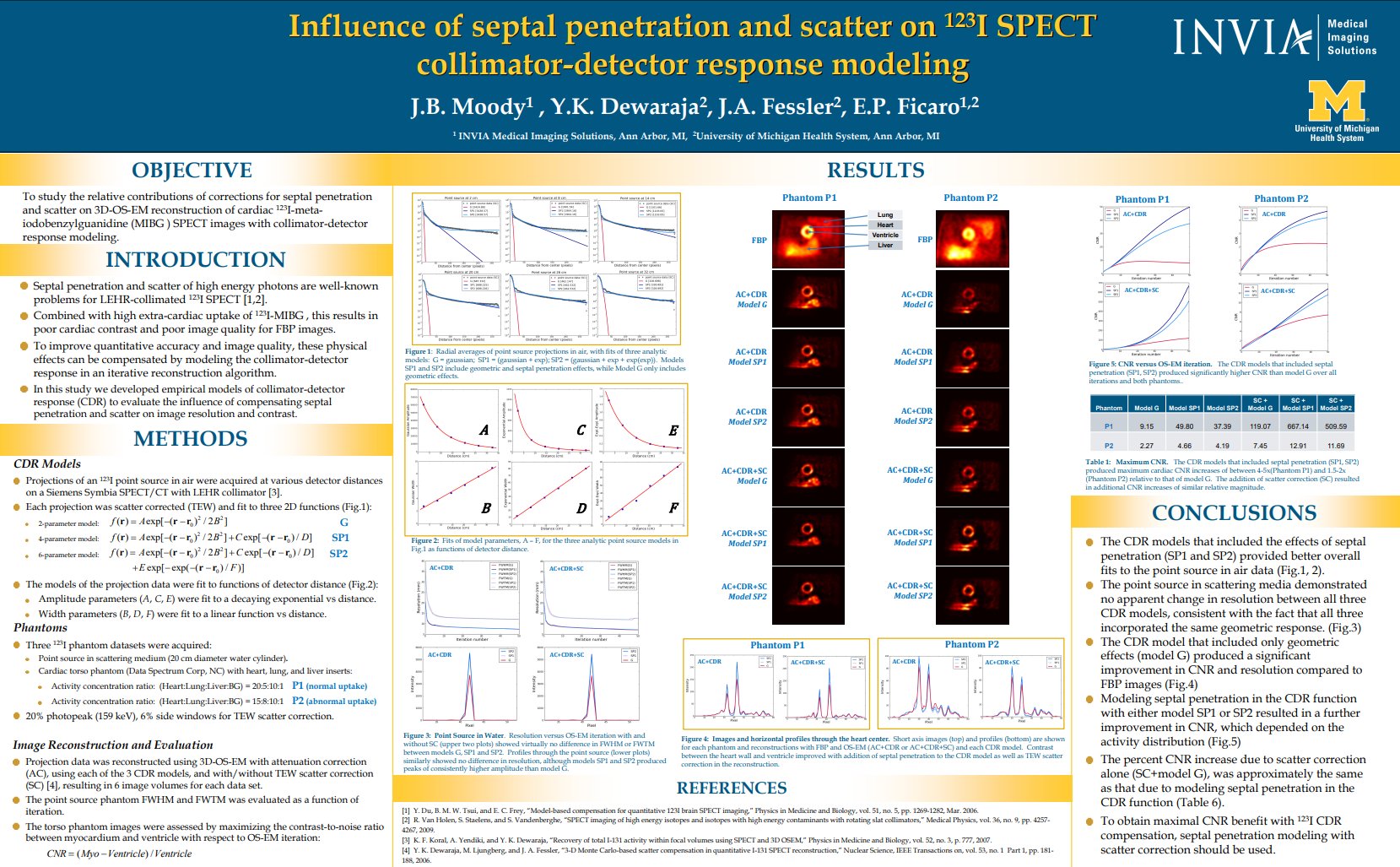
Influence of Septal Penetration and Scatter on 123I SPECT Detector Response Modeling

Summary

Gender dependence of normal myocardial perfusion distributions using the XACT imaging system

Summary

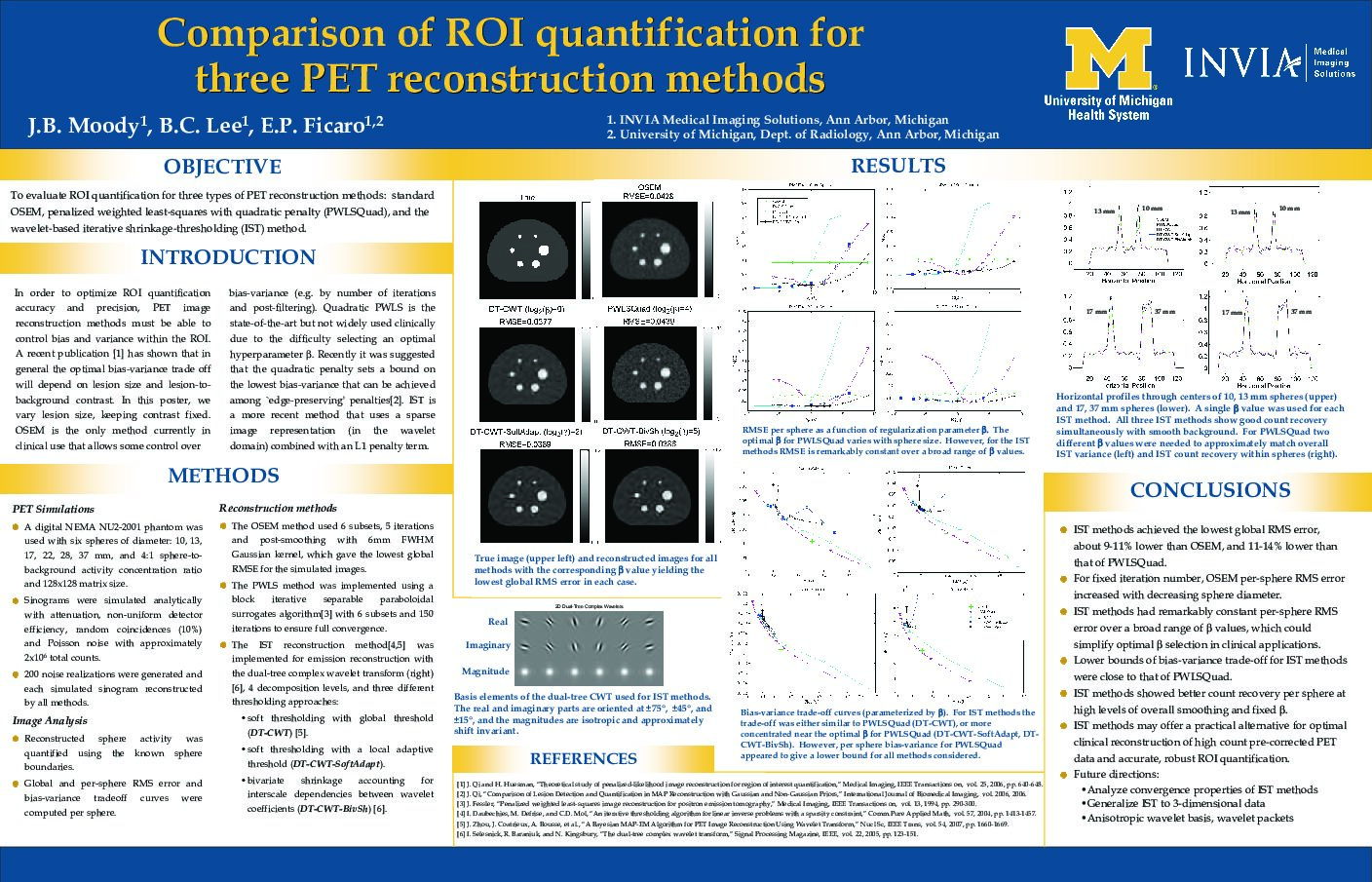
Comparison of ROI Quantification for Three PET Reconstruction Methods

Summary

Post-reconstruction Partial Volume Correction of PET using CT Side Information

Summary

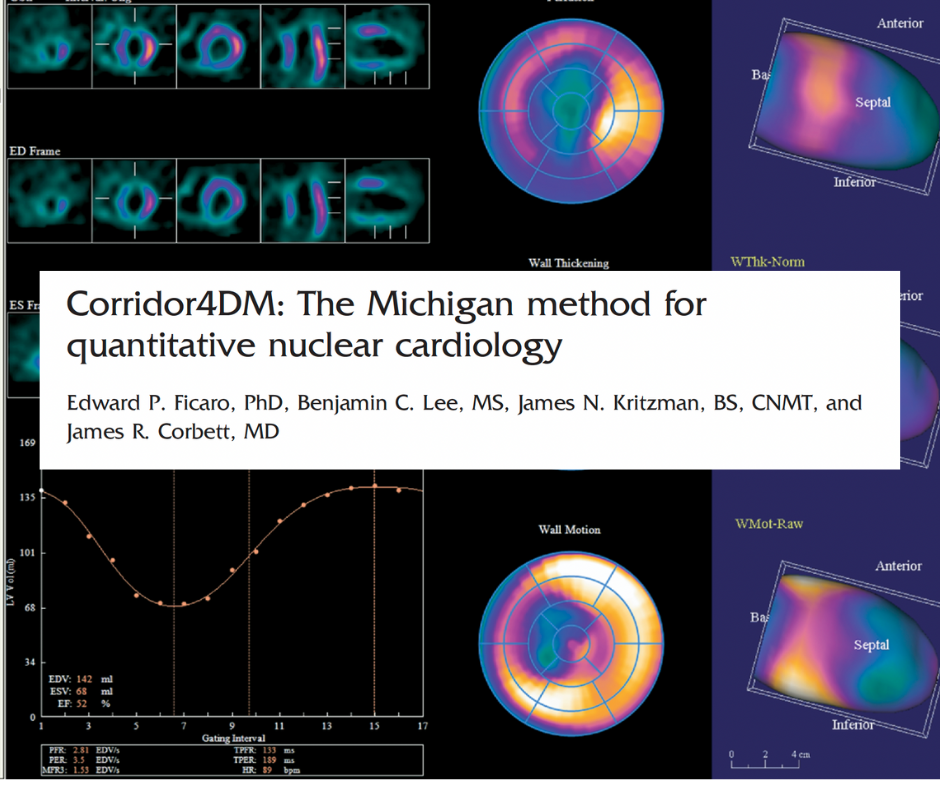
Corridor4DM: The Michigan method for quantitative nuclear cardiology

Summary

Accuracy in Warping ECT LV Surfaces to CT Angiography Coronary Vessels

Summary

Comparison of Diastolic Function Parameter Estimates from Planar and SPECT Blood Pool Imaging

Summary

Accuracy of Automatic Rotational Realignment Algorithm for Gated Perfusion SPECT Studies.

Summary

Effect of Valve Plane Constraint on LV Ejection Fractions from Gated Perfusion SPECT

Summary

Validation of 4D-MSPECT Analysis Method for Tc-99m Gated Blood Pool Tomography

Summary

Normal LV Ejection Fraction Limits Using 4D-MSPECT: Comparisons of Gated Perfusion and GBPS

Summary

Validation of Three-Dimensional Analysis Method for Calculation of the LV Mass and Ejection Fraction

Summary

Gender Specific Differences in Normal Ranges of Cardiac Function Parameters for Gated SPECT

Summary

Enhanced Integrated Report Generation: Efficient System for Reporting Myocardial Perfusion SPECT in Normal and Abnormal Patients

Summary

Integrated Report Generation for Myocardial Perfusion SPECT: Efficiency Reporting Normal and Abnormal Patients

Summary

Validation of New Fully Automatic Algorithm for Quantification of Gated Blood Pool SPECT

Summary

Dependence of the Normal Perfusion Database on Body Habitus and Number of Patients

Summary

Reproducibility of 3-D MSPECT for Quantitative Gated SPECT Sestamibi Perfusion Analysis

Summary

Post-Stress LV Dilation: The Effect of Imaging Protocol, Gender and Attenuation Correction

Summary

Quantification of Left Ventricular Function by Gated Perfusion Tomography

Summary

Automatic Segmental Scoring of Myocardial Wall Thickening and Motion

Summary